


Car breakdowns are stressful, inconvenient, and often expensive. Understanding the common causes of vehicle failure and how to prevent them can save you time, money, and a lot of headaches. Here’s a comprehensive guide to keeping your car running smoothly.
1. Dead or Weak Battery
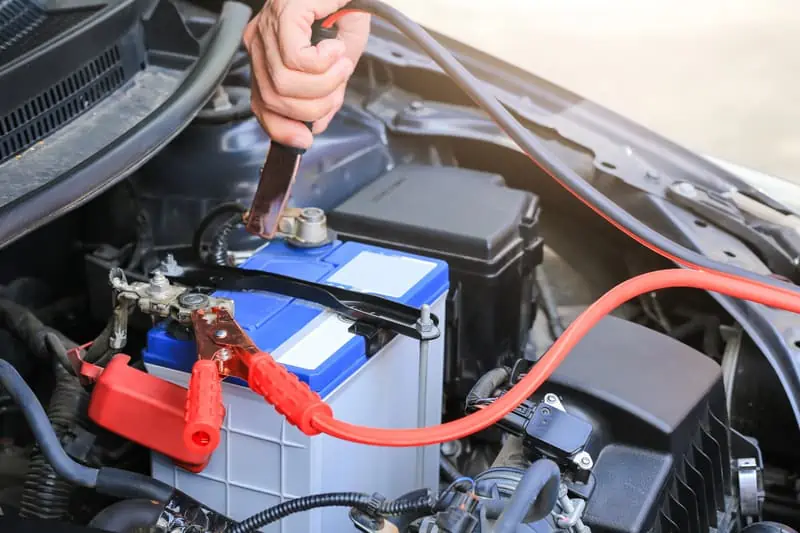
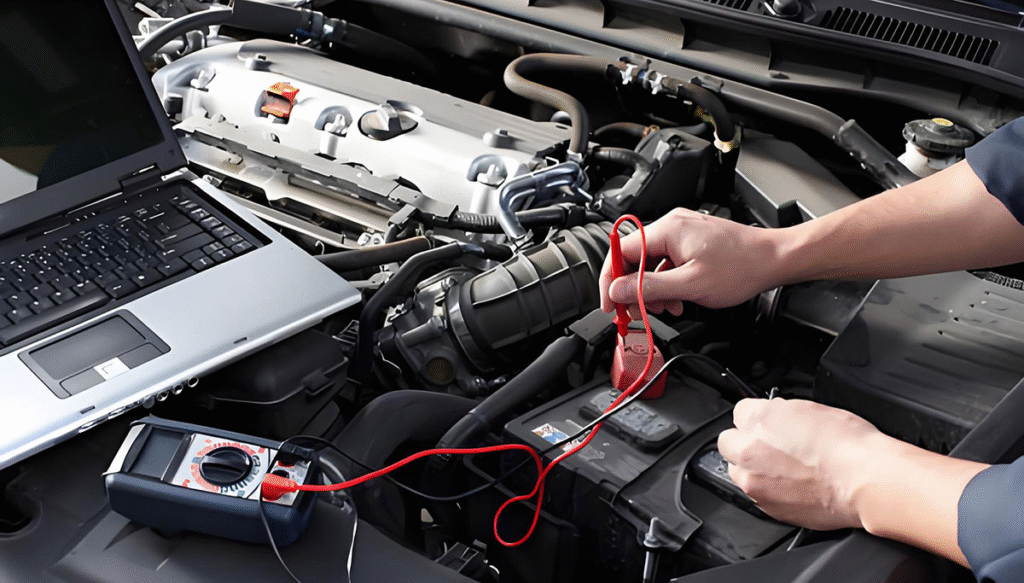
A dead battery is one of the most frequent reasons cars stop working. Batteries can fail due to age, extreme temperatures, or leaving lights and electronics on.
Prevention Tips:
- Check your battery regularly for corrosion and leaks.
- Test the battery every six months, especially before extreme weather seasons.
- Replace your battery every 3–5 years, depending on the manufacturer’s recommendation.
2. Engine Overheating
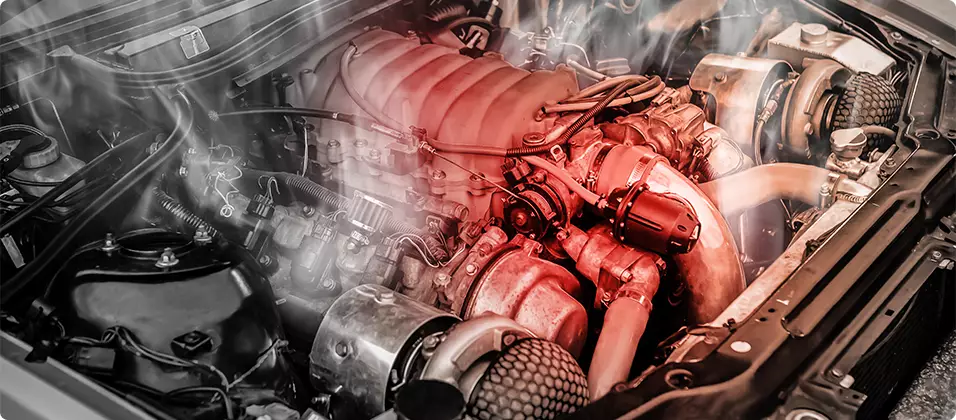
Overheating occurs when the engine’s cooling system fails, often caused by low coolant levels, a broken thermostat, or a leaking radiator. Ignoring an overheating engine can cause serious engine damage.
Prevention Tips:
- Regularly check coolant levels and top off as needed.
- Inspect hoses and the radiator for leaks or cracks.
- Replace your thermostat and coolant according to your car’s maintenance schedule.
3. Flat or Damaged Tires
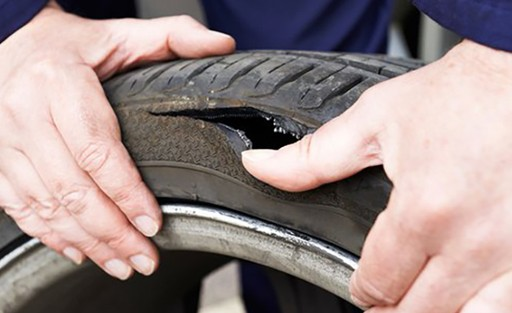


Tires are the only part of your car that touch the road, making them crucial for safe driving. Worn tires or sudden punctures can lead to accidents or leave you stranded.
Prevention Tips:
- Check tire pressure monthly and keep it at the recommended level.
- Rotate tires every 6,000–8,000 miles to ensure even wear.
- Replace tires with worn tread to maintain proper traction.
4. Faulty Alternator


The alternator charges your car’s battery while driving. A failing alternator can leave your battery drained and prevent your car from starting.
Prevention Tips:
- Watch for dimming headlights or unusual electrical behavior in your car.
- Test the alternator during regular maintenance checks.
- Replace the alternator promptly if it shows signs of failure.
5. Ignition System Problems
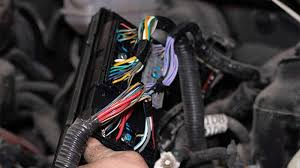
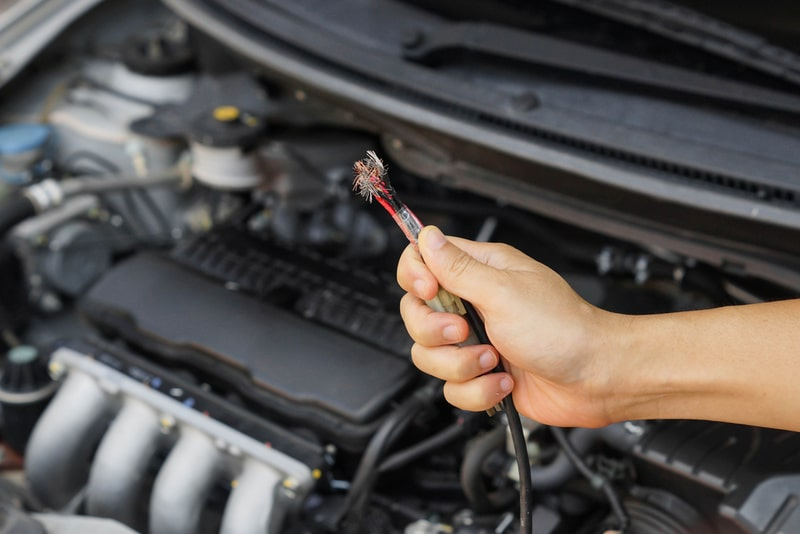
If your car struggles to start or stalls frequently, the ignition system might be the culprit. Worn spark plugs, damaged wires, or a faulty ignition coil can all cause engine trouble.
Prevention Tips:
- Replace spark plugs according to your car’s service schedule.
- Inspect ignition wires for signs of wear or damage.
- Address starting issues promptly to avoid being stranded.
6. Lack of Regular Maintenance
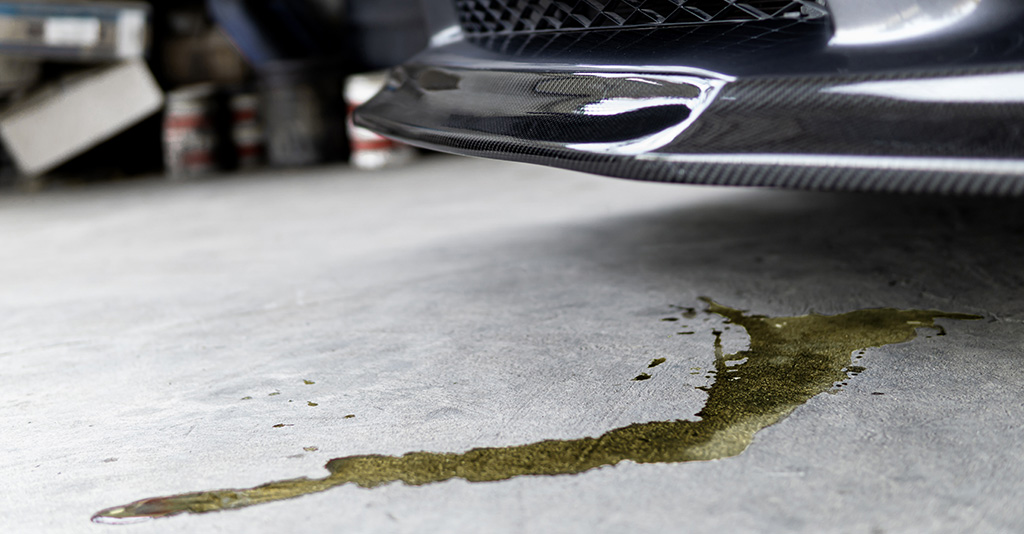
Skipping routine maintenance can lead to a cascade of problems, including oil leaks, worn brakes, and transmission failure. Many car breakdowns are entirely preventable with timely servicing.
Prevention Tips:
- Follow the manufacturer’s recommended maintenance schedule.
- Change oil, filters, and fluids on time.
- Keep an eye on warning lights and unusual noises.
7. Fuel System Issues
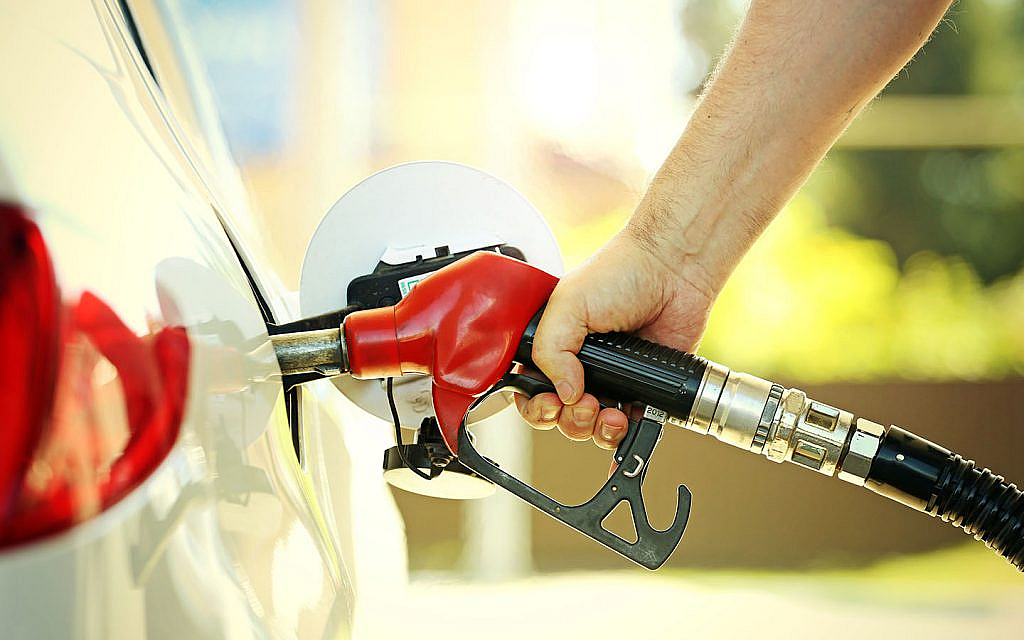
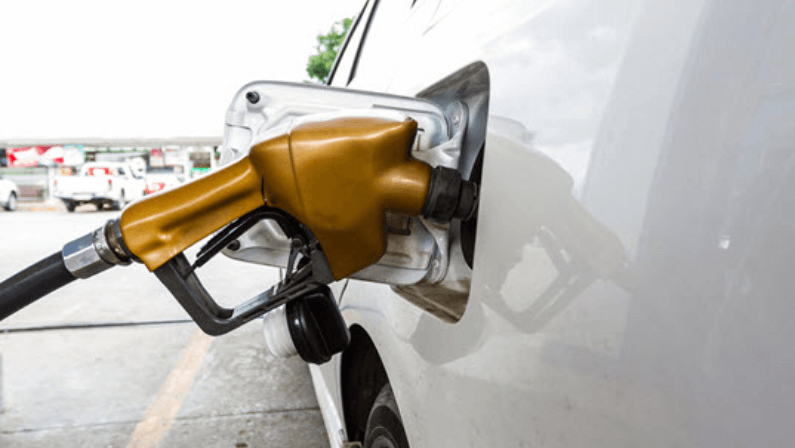
Fuel problems, such as clogged fuel filters or a failing fuel pump, can cause your car to stall or fail to start. Dirty fuel injectors can also reduce engine performance.
Prevention Tips:
- Use high-quality fuel to prevent buildup and deposits.
- Replace fuel filters as recommended in your vehicle manual.
- Have the fuel system inspected if you notice performance drops.
Final Thoughts
Car breakdowns don’t have to be inevitable. By understanding the most common causes and staying on top of preventative maintenance, you can avoid emergencies and extend your car’s lifespan. Small steps like regular inspections, timely replacements, and careful driving habits make a huge difference in keeping your car reliable.
The information provided in this blog is for general informational purposes only and should not replace professional automotive advice. Always consult a certified mechanic for specific vehicle issues.
#CarMaintenance #PreventCarBreakdown #AutoCareTips #VehicleSafety #CarProblems #CarTips #EngineCare #TireCare #CarDIY #ReliableCar #Carrerbook #Anslation